When an MOT Failure Becomes a Financial Decision
Introduction
Every year, millions of vehicles across the UK go through their annual MOT test, and a significant number do not pass first time. For many drivers, an MOT failure brings unexpected repair costs and difficult choices about what to do next.
While some faults are minor and inexpensive to fix, others can quickly turn into a major financial commitment. This is especially true for older vehicles or cars that have already needed repeated repairs in recent years. At that point, the MOT test becomes more than just a legal requirement and starts to feel like a decision point about the future of the car itself.
In this blog, we look at why certain MOT failures become expensive, which types of faults usually cause the biggest repair bills, and how to judge when an MOT failure may signal that keeping a car on the road is no longer the most practical option.
Why So Many Cars Fail Their MOT Each Year
An MOT test is designed to check that a vehicle meets minimum legal standards for safety and environmental performance. It is often the most thorough inspection a car receives all year, which means hidden or developing problems are more likely to be discovered.
Issues such as worn suspension components, corrosion underneath the vehicle, or deteriorating braking systems can build up gradually and only become obvious once the car is inspected properly. This is why many drivers are surprised by an MOT failure, even if the vehicle felt fine to drive beforehand.
For older vehicles in particular, multiple faults can appear at once, turning a routine test into a more serious repair decision.
Faults That Turn Into Costly MOT Failures
Some MOT failures are simple and inexpensive to fix, such as replacing bulbs or worn wiper blades. Others can quickly exceed the value of the car.
Common high-cost MOT failure areas include:
Structural corrosion
Rust affecting sills, subframes or load-bearing sections of the body can be expensive to repair properly. Welding work is labour-intensive and often uneconomical on older vehicles.
Emissions and engine management issues
Modern cars rely on sensors, catalytic converters and diesel particulate filters to meet emissions standards. When these components fail, repairs can be complex and costly, particularly on diesel vehicles.
Braking systems
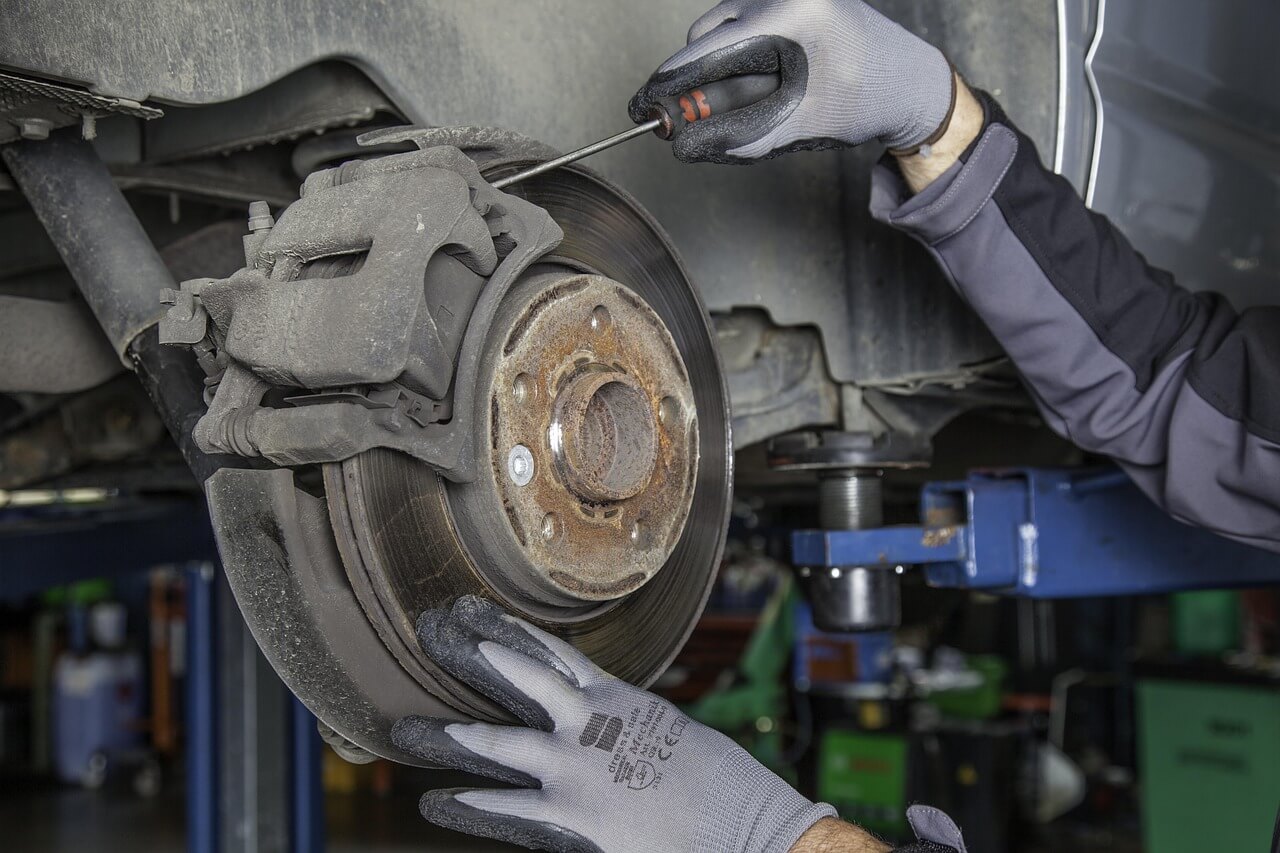
Heavily worn discs, seized callipers or corroded brake pipes can result in large repair bills, especially if several parts need replacing at once.
Suspension and steering wear
Springs, bushes and steering joints wear out over time. If multiple components fail together, labour costs can rise quickly.
The Repair Versus Vehicle Value Question
After an MOT failure, one of the most important factors to consider is whether the repair cost is reasonable compared to the value of the vehicle.
If a car is worth £900 but needs £1,300 of work to pass its MOT, repairing it may not make financial sense. Even once fixed, there is no guarantee that another major issue will not appear in the near future.
This situation is most common with:
- High-mileage vehicles
- Older diesel cars
- Cars that have already had significant recent repairs
- Vehicles that receive repeated advisories at each MOT
At this point, the MOT failure becomes less about legality and more about long-term practicality.
Why MOT Failures Become More Common as Cars Age
As vehicles get older, several systems tend to wear out at the same time rather than individually. This means one MOT test may uncover multiple unrelated faults.
Age-related MOT failures often involve:
- Corrosion to metal components
- Rubber seals and bushes breaking down
- Electrical faults becoming more frequent
- Emissions systems degrading
Even well-maintained cars eventually reach a stage where failures are no longer isolated issues but part of a wider pattern of decline.
When an MOT Failure Leads to a Non-Runner
Some MOT failures make a vehicle unsafe or impractical to drive, especially when braking, steering or structural faults are involved. In these cases, the car may not be legally driven except to a pre-booked repair appointment.
For vehicles that no longer run or cannot be economically repaired, options such as private sale become more difficult. Storage can also create problems with insurance and road tax if the vehicle is no longer in use.
This is why many MOT-failed cars are eventually removed from the road and recycled rather than repaired, particularly when recovery and labour costs are added to the equation.
Environmental Considerations
Vehicle recycling in the UK is strictly regulated, with Authorised Treatment Facilities recovering metals, plastics and reusable parts. Scrapping a car that has reached the end of its working life prevents unsafe or heavily polluting vehicles from remaining on the road and allows valuable materials to be reused.
In many cases, retiring an inefficient, high-emissions vehicle can have a lower environmental impact than continuing to repair it year after year.
Conclusion
An MOT failure is a normal part of owning a vehicle, but it becomes more significant as cars age and repair costs rise. For many drivers, a failed test acts as a moment to reassess whether their vehicle is still worth keeping on the road.
By understanding which faults usually lead to expensive repairs and how those costs compare to the value of the car, it becomes easier to make a balanced decision rather than reacting under pressure. Whether the outcome is repair, replacement or recycling, an MOT failure can serve as a useful checkpoint rather than just an inconvenience.